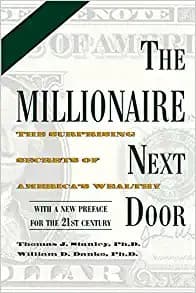
Thomas Stanley spent years surveying actual millionaires. Not celebrities. Not tech founders. Real, self-made American millionaires. What he found in The Millionaire Next Door was almost universally surprising to everyone who read it.
They lived in ordinary neighborhoods. They drove used cars. They wore modest watches. They were, for lack of a better phrase, boring on purpose.
The wealth illusion
Stanley introduced a useful distinction: PAWs (Prodigious Accumulators of Wealth) and UAWs (Under Accumulators of Wealth). UAWs often have high incomes and look wealthy. PAWs often have moderate incomes and look ordinary. The difference isn't earning — it's keeping.
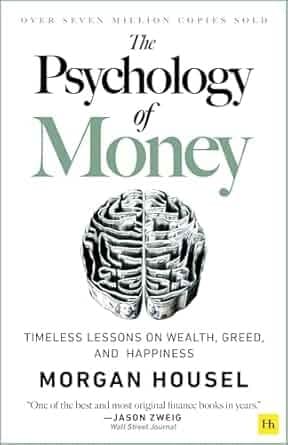
Morgan Housel captures this in The Psychology of Money: "Wealth is what you don't spend." The car on the street, the watch on the wrist — those are signals of spending, not saving. A truly wealthy person is invisible by design, because their net worth is locked in assets no one can see.
High income ≠ high net worth
Stanley found that many doctors, lawyers, and executives — high earners by any measure — were surprisingly poor relative to their income. "Big Hat, No Cattle" is how he described it. The pressure to signal status in high-income professions can consume the very income that should be building wealth.
Meanwhile, the plumber who maxed out his 401(k) every year for 30 years and drove a 2009 Toyota quietly crossed $1.5 million without ever making it onto a Forbes list.
What this changes
Wealth is more achievable — and more hidden — than most people realize. You can't see it at the grocery store or in the parking lot. The game is being played off the field, in brokerage accounts and paid-off mortgages, by people who stopped caring what you think about their car a long time ago.