Most adults received zero financial education growing up. Not from school, not from parents, not from anywhere that counted. They learned by making expensive mistakes in their 20s — bad debt, no savings, no concept of compound interest. The cycle repeats itself because nobody breaks it.
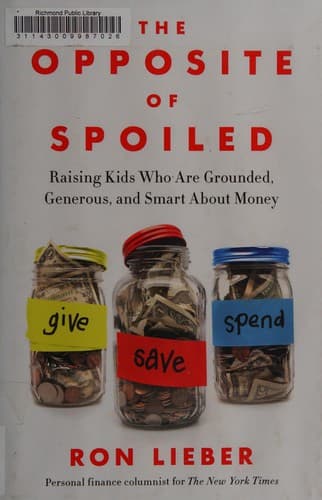
Ron Lieber, the NYT's personal finance columnist, wrote The Opposite of Spoiled as a practical guide for parents who want to do better. His argument is simple: kids who understand money make better adults with money. The earlier you start, the better.
Allowance as a teaching tool
Lieber recommends giving kids a small allowance — not as a reward for chores, but as a tool for learning. The distinction matters. When allowance is tied to chores, kids can opt out of both. When it's a fixed amount intended for practice, it becomes a low-stakes environment for real financial decisions.
He suggests three jars: spend, save, give. Simple. But the conversations those jars start — "do I want this now or the bigger thing later?" — are exactly the conversations adults struggle to have with themselves.
Answer the hard questions honestly
Kids ask hard questions. How much do you make? Are we rich? Why can't we afford that? Most parents dodge these. Lieber argues that's a mistake. Honest, age-appropriate answers build financial literacy. Evasion builds either shame or entitlement — both expensive in adulthood.
The goal isn't to burden kids with financial anxiety. It's to normalize money as something that gets talked about, thought about, and managed — not something mysterious and stressful that shows up as adult conflict later.
The habits are the point
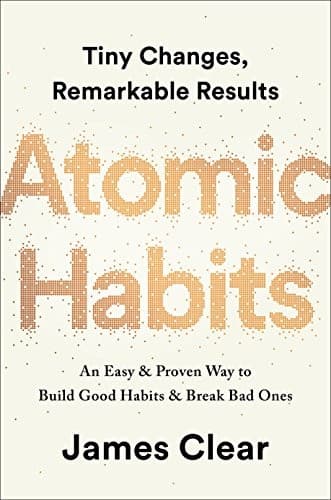
James Clear's Atomic Habits makes a point that applies directly here: identity-based habits are more durable than outcome-based ones. A kid who thinks of themselves as "someone who saves" will make different decisions for decades than one who was just told to save for a few years. The habits you build in childhood aren't just about money — they're about who you become.
The best financial gift you can give a child isn't a college fund. It's a framework for thinking about money before they ever need to think about it seriously.